Comprehension Worksheets
-
Preschool Reading Comprehension

-
Kindergarten Reading Comprehension
-
Grade 1 Reading Comprehension

-
-
Grade 2 Reading Comprehension

-
Grade 3 Reading Comprehension

-
Grade 4 Reading Comprehension

-
Grade 5 Reading Comprehension

-
Grade 6 Reading Comprehension

-
Grade 7 Reading Comprehension

-
Grade 8 Reading Comprehension

-
Grade 9 Reading Comprehension

-
Grade 10 Reading Comprehension

-
Grade 11 Reading Comprehension

-
Grade 12 Reading Comprehension

-
Author Studies
-
Children's Stories

-
Classic Literature
-
Close Reading Passages
-
Comparisons & Connections in Reading
-
Contextualization
-
Credibility of Sources
-
Critical Comprehension
-
Fill-in-the-Blank Reading Passages
-
Historical Texts
-
Illustrating Reading Passages
-
Informational Texts
-
Literal Comprehension
-
Matching Choices Reading Passages
-
Mnemonic Strategies
-
Multiple Choice Reading Passages
-
Open-Ended Questions Reading Passages
-
Poetry Comprehension
-
Primary vs. Secondary Sources
-
QAR (Question-Answer Relationships)
-
Reading Advertisements
-
Reading Applications
-
Reading Calendars
-
Reading Emails
-
Reading Fiction Texts
-
Reading Food Labels
-
Reading for Purpose
-
Reading Instructions
-
Reading Menus
-
Reading Nonfiction Texts
-
Reading Recipes
-
Reading Schedules
-
Reading Strategies
-
Scientific Texts
-
Sequencing Reading Passages
-
Short Answer Reading Passages
-
Short Stories with Questions
-
Sight Word Stories
-
Summarizing Reading Passages
-
Thesaurus Skills
-
Vowel Team Reading Passages
Reading Comprehension Worksheets Collection
Reading comprehension is a foundational skill that unlocks learning in every subject. This Reading Comprehension Worksheets collection offers a wide range of passages, question sets, and targeted activities designed to help learners grow in understanding, interpretation, and textual analysis. Whether students are just beginning to follow simple stories or ready to analyze complex texts, these worksheets provide structured support at every stage.
Each worksheet includes clear reading material paired with thoughtfully crafted questions, vocabulary tasks, and higher-level prompts that encourage deeper engagement with the text. Learners practice skills like identifying main ideas, comparing perspectives, making inferences, evaluating sources, and understanding an author's purpose. These activities build confidence while strengthening both academic reading and everyday literacy.
Educators and families can explore the subtopic sets below to find the right type of passage or skill focus for their needs. From early-reading materials to advanced analysis tasks, the collection offers a complete pathway for growing stronger, more thoughtful readers.
Subtopic Worksheet Collection Descriptions
Preschool
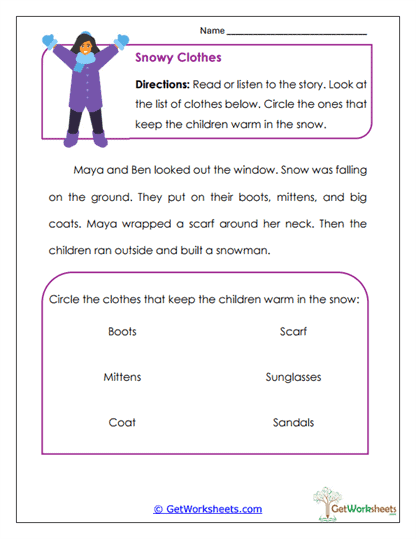
These worksheets help early learners follow simple stories and picture-based information. This builds early listening, sequencing, and comprehension skills. It lays the foundation for confident reading later on.
Kindergarten
Learners engage with short, accessible texts paired with guided questions. This supports the transition from listening to reading independently. It helps children connect words, meaning, and understanding.
Grade 1
These worksheets introduce short passages with basic comprehension questions. This strengthens early decoding and understanding. It helps learners build confidence as they begin reading longer sentences.
Grade 2
Students practice reading slightly longer passages and answering detail-based questions. This develops fluency and foundational analysis. It supports the shift toward more independent reading.
Grade 3
Learners explore texts that introduce richer vocabulary and deeper themes. This builds inferencing, summarizing, and critical thinking. It helps students navigate more structured narratives.
Grade 4
These worksheets guide students through texts requiring attention to structure, context, and supporting details. This strengthens analytical reading skills. It encourages learners to interpret information with greater accuracy.
Grade 5
Students tackle more detailed passages and varied genres. This supports critical thinking, comparison, and interpretation. It helps learners prepare for increasingly complex texts.
Grade 6
Learners work with passages that require deeper reasoning and evidence-based answers. This builds higher-level comprehension skills. It supports engagement with longer and more challenging material.
Grade 7
These worksheets introduce more complex themes, structures, and author intentions. This promotes thoughtful analysis and interpretation. It helps students connect ideas across different types of texts.
Grade 8
Learners examine nuanced passages that strengthen critical reading and argument evaluation. This supports academic preparedness and thoughtful engagement. It encourages students to recognize subtle meaning and tone.
Grade 9
These worksheets introduce increasingly sophisticated texts across multiple genres. This deepens literary analysis and reasoning. It helps learners build skills needed for high-level reading tasks.
Grade 10
Students explore complex passages that require strong textual evidence and interpretation. This supports advanced comprehension habits. It prepares learners to think critically about structure, purpose, and ideas.
Grade 11
Learners analyze challenging texts with layered meaning and advanced vocabulary. This strengthens preparation for college-level reading. It encourages deeper engagement with arguments, themes, and perspective.
Grade 12
These worksheets help students interpret rigorous texts with precision and insight. This builds readiness for academic and professional reading. It supports confident engagement with sophisticated material.
Author Studies
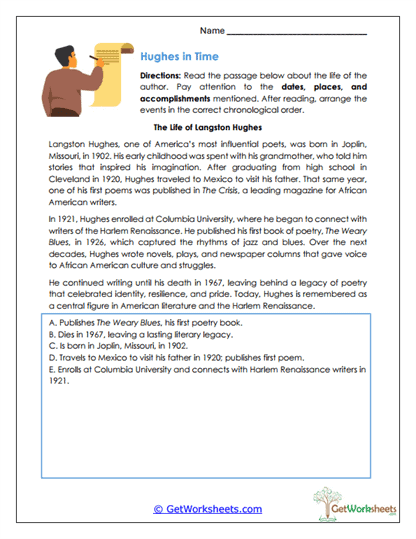
These worksheets encourage learners to explore an author's style, themes, and recurring ideas. This strengthens literary analysis and pattern recognition. It helps students appreciate the voice and craft behind the writing.
Children's Stories
Learners read imaginative, age-friendly stories and answer comprehension questions. This builds early reading enjoyment and understanding. It helps students connect emotionally with characters and events.
Classic Literature
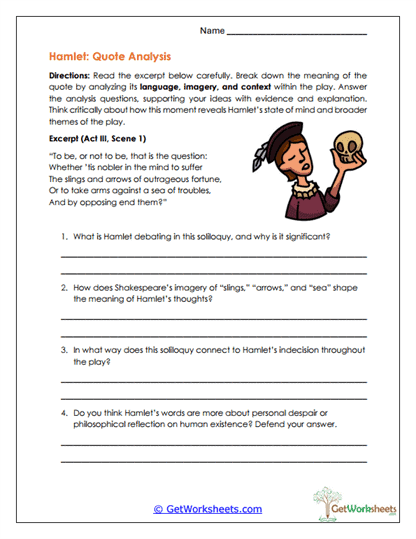
These worksheets introduce students to timeless works with rich language and themes. This supports higher-level critical thinking and cultural understanding. It helps learners engage with stories that have shaped literature.
Close Reading Passages
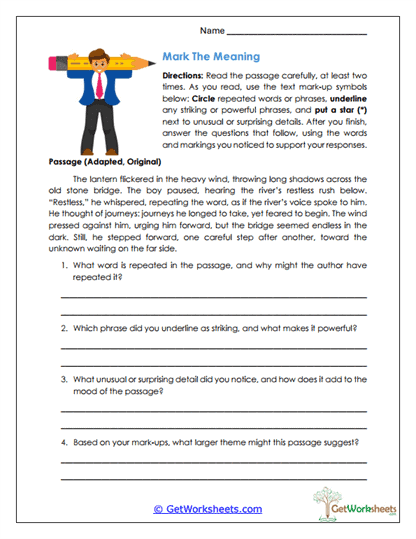
Students practice examining texts closely for deeper meaning, structure, and evidence. This builds analytical strength and attention to detail. It helps learners become more precise and thoughtful readers.
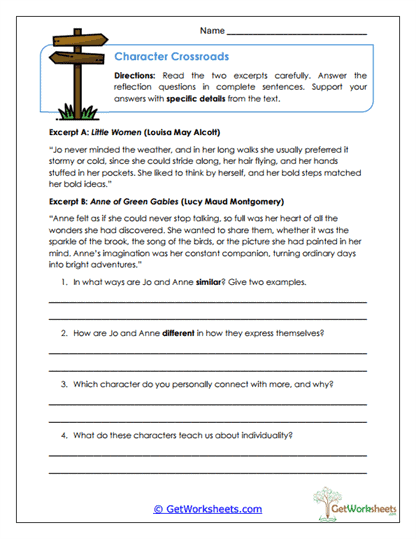
Comparisons & Connections in Reading
These worksheets help students relate texts to one another or to personal experiences. This strengthens comprehension through pattern recognition. It encourages learners to think broadly about themes and ideas.
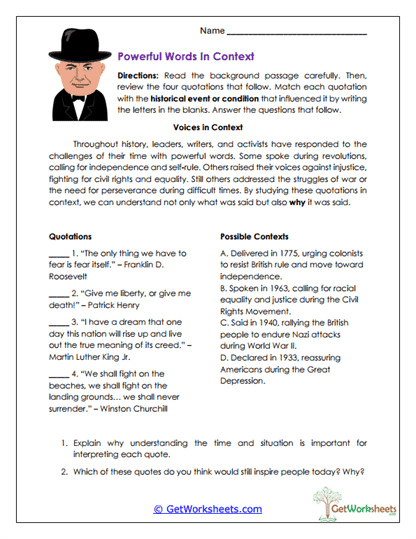
Contextualization
Learners practice understanding a text by considering its background, culture, or time period. This enhances deeper comprehension and perspective-taking. It helps students see how context influences meaning.
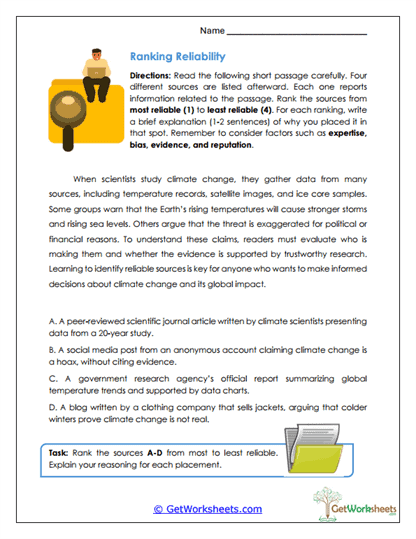
Credibility of Sources
These worksheets guide students in evaluating whether information is reliable. This supports media literacy and critical judgment. It helps learners make informed decisions when reading information.
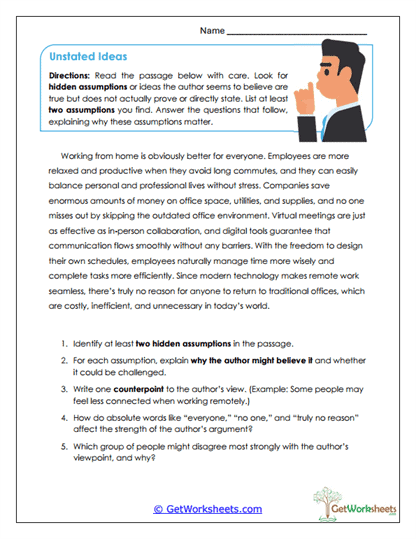
Critical Comprehension
Students answer questions that require interpretation, evaluation, and reasoning. This strengthens high-level comprehension skills. It prepares learners for complex thinking across subjects.
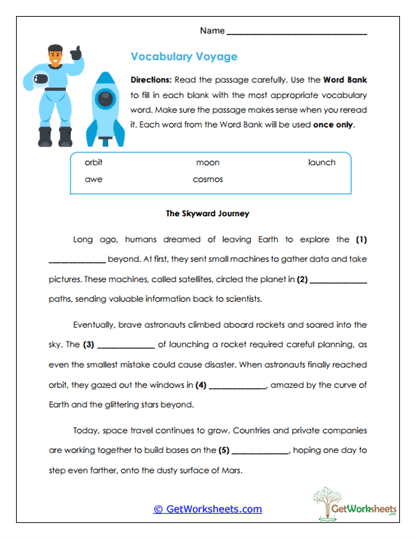
Fill-in-the-Blank Reading Passages
Learners complete missing words while reading to strengthen vocabulary and meaning-making. This supports fluency and contextual understanding. It helps students read with intention and attention.
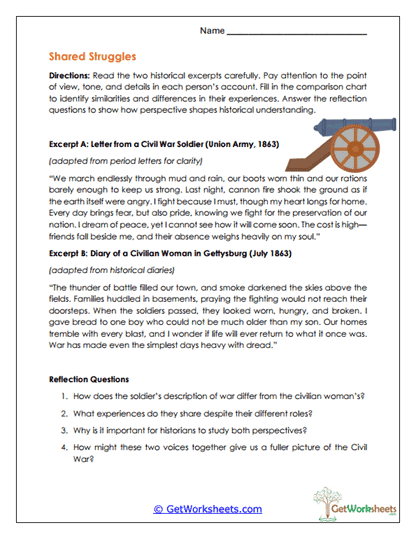
Historical Texts
These worksheets help students explore passages grounded in real historical events or documents. This builds content understanding and analytical reading. It encourages learners to connect history and literacy.
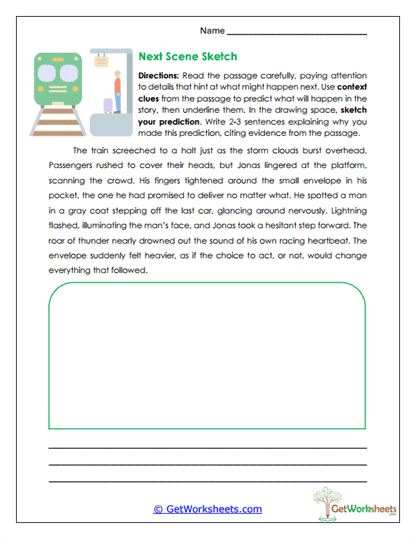
Illustrating Reading Passages
These worksheets ask students to draw a picture that shows what is happening in a passage. This helps children turn written details into a clear mental image. It also gives parents and teachers an easy way to see how well a learner understood the text.
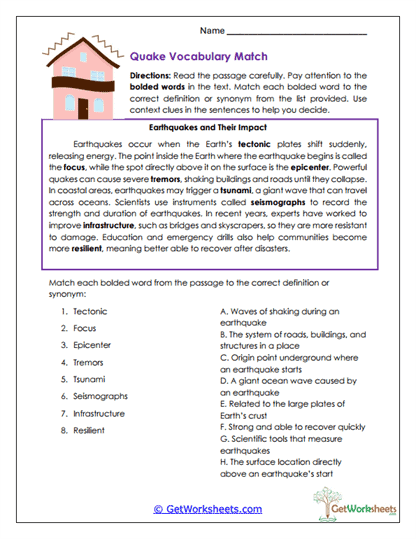
Informational Texts
Students practice reading factual passages and identifying key ideas and details. This strengthens nonfiction comprehension. It helps learners understand real-world content across many topics.
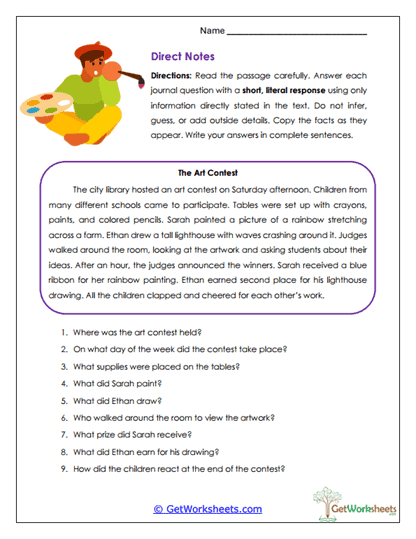
Literal Comprehension
These worksheets focus on information that is stated directly in the passage. Students practice finding important facts, details, characters, settings, and events. This helps learners build the basic understanding they need before moving on to deeper reading skills.
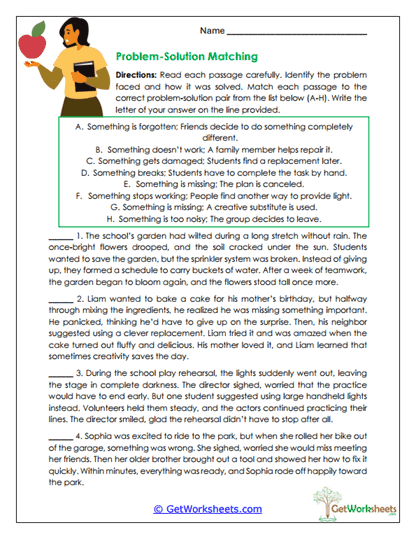
Matching Choices Reading Passages
Learners match statements or summaries to the correct part of the text. This improves scanning and detail recognition. It helps students break down information efficiently.
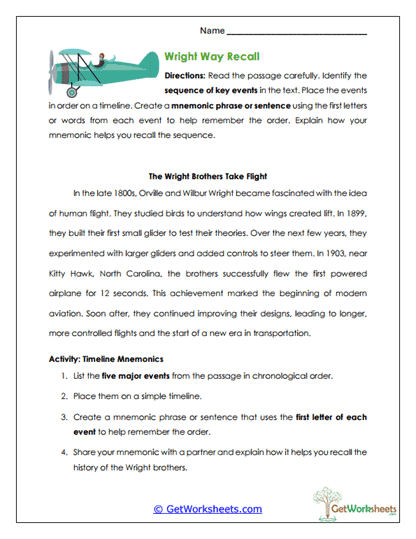
Mnemonic Strategies
Memory tricks can make reading skills much easier to remember. Children may use catchy phrases, letter patterns, pictures, or other clues to help important information stick. These activities give learners practical tools they can use again and again.
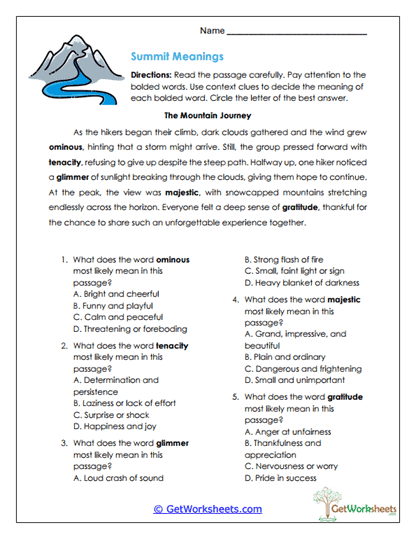
Multiple Choice Reading Passages
These worksheets offer passages followed by varied-choice questions. This reinforces comprehension accuracy and test readiness. It helps learners practice making evidence-based selections.
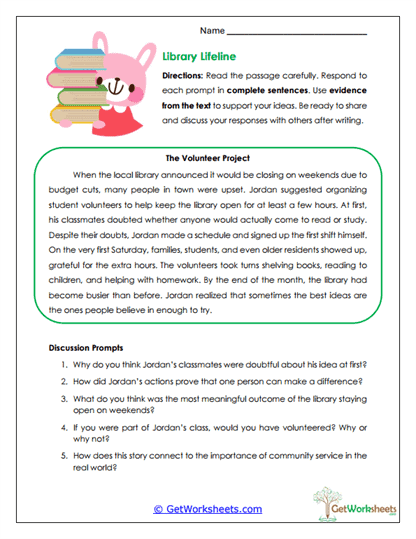
Open-Ended Questions Reading Passages
Students respond to text-based prompts using their own words. This builds expressive reasoning and written communication. It helps learners articulate their understanding more clearly.
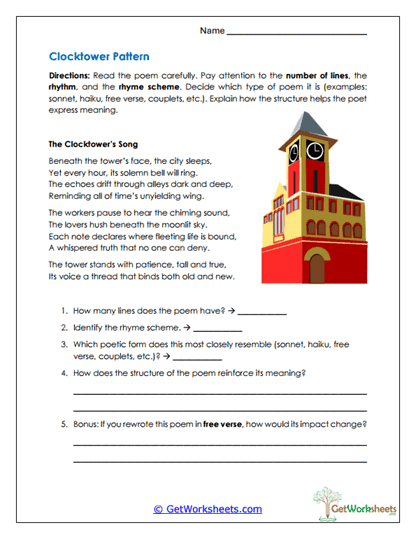
Poetry Comprehension
Learners explore rhythm, imagery, and meaning in poems. This supports literary interpretation and emotional expression. It encourages appreciation of creative language.
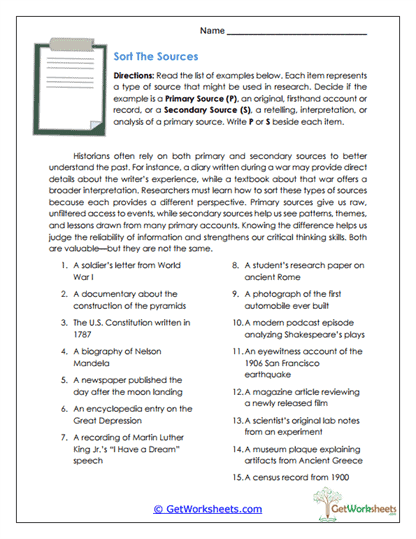
Primary vs. Secondary Sources
These worksheets teach students to distinguish between firsthand accounts and later interpretations. This supports critical thinking and research skills. Understanding this difference improves academic reading and writing.
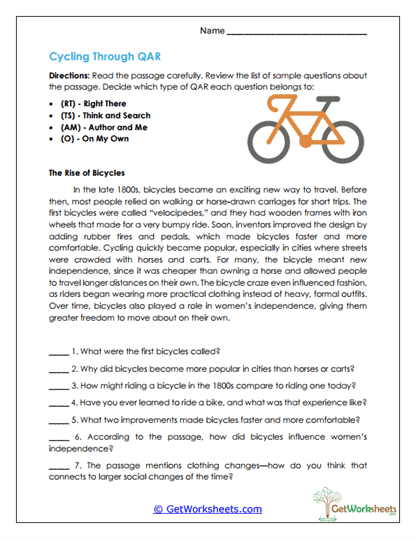
QAR (Question-Answer Relationships)
Students learn how different types of questions connect to different places in the text. This strengthens comprehension strategy use. It helps learners know how to find and justify answers effectively.
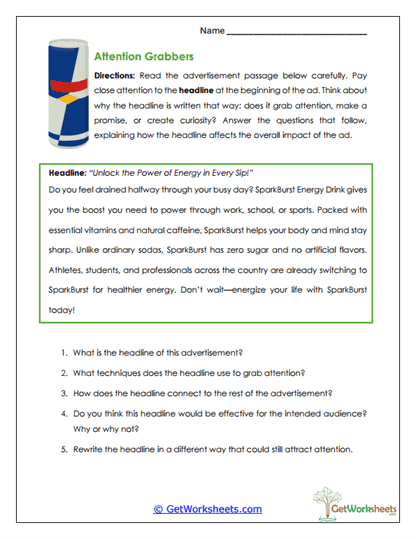
Reading Advertisements
These worksheets teach students how to analyze persuasive techniques and messaging. This supports media literacy and critical evaluation. It helps learners make thoughtful decisions as consumers.
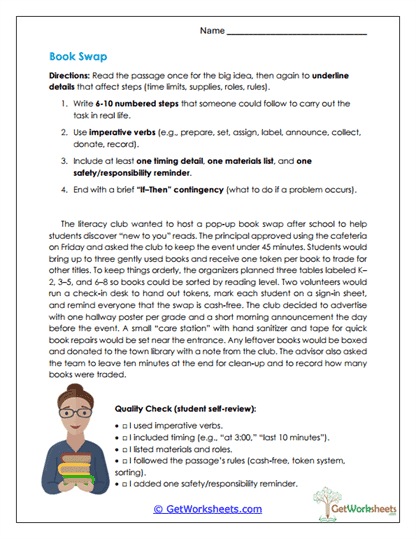
Reading Applications
Learners read real-world forms and applications to understand practical information. This builds functional literacy. It helps students feel more confident in everyday tasks.
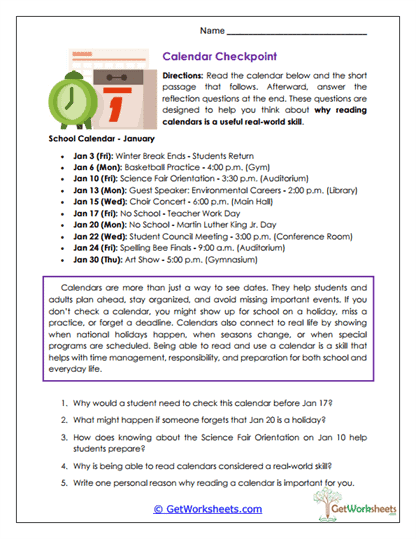
Reading Calendars
These worksheets help students interpret dates, events, and scheduling information. This supports time-management literacy. It helps learners navigate daily routines.
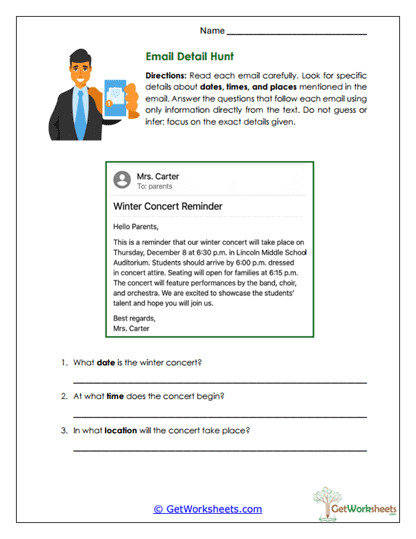
Reading Emails
Students practice understanding tone, purpose, and clarity in written messages. This strengthens communication and digital literacy. It helps learners read and respond to messages more effectively.
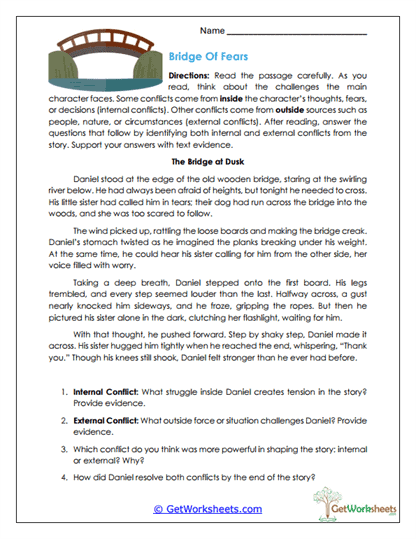
Reading Fiction Texts
These worksheets introduce learners to stories with characters, settings, and plots. This strengthens literary comprehension and imagination. It helps students enjoy and interpret narrative writing.
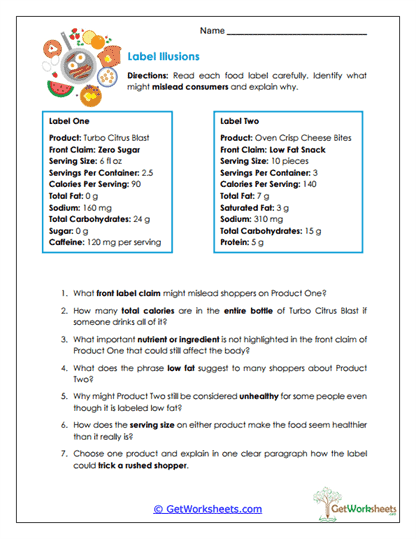
Reading Food Labels
Food packages are filled with useful information once children know where to look. Learners explore serving sizes, ingredients, nutrition facts, and other details found on everyday labels. It is a great way to build reading skills while teaching healthy and practical habits.
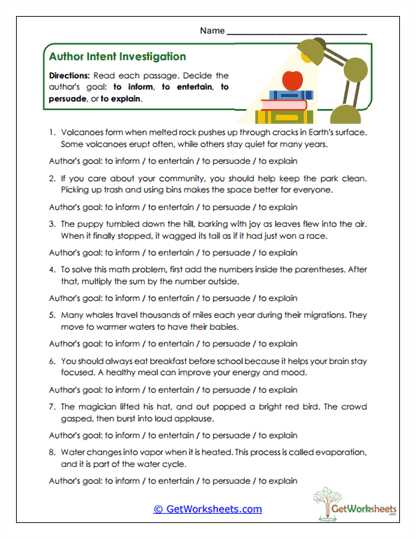
Reading for Purpose
We do not read a story, a recipe, and a set of directions in exactly the same way. Children learn to think about why they are reading and what information they need to find. This helps them become more focused, efficient, and thoughtful readers.
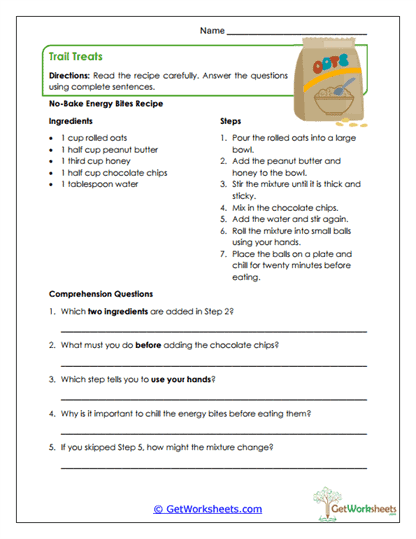
Reading Instructions
Following directions starts with understanding exactly what each step is asking. Children practice reading carefully, noticing action words, and completing tasks in the correct order. These skills are useful in the classroom, at home, and just about everywhere else.
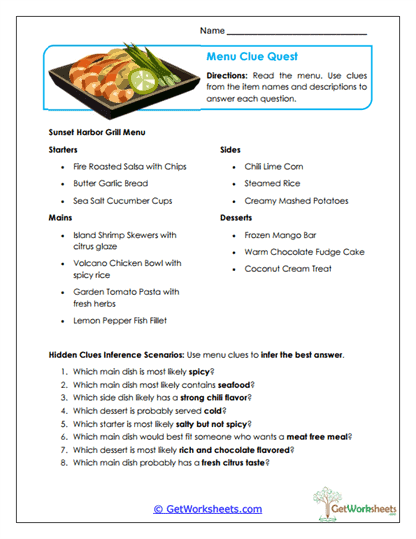
Reading Menus
Menus are a fun and familiar way to practice real-life reading. Children learn how to find meals, prices, categories, and other useful details while making pretend choices. Along the way, they build confidence with everyday information and decision-making.
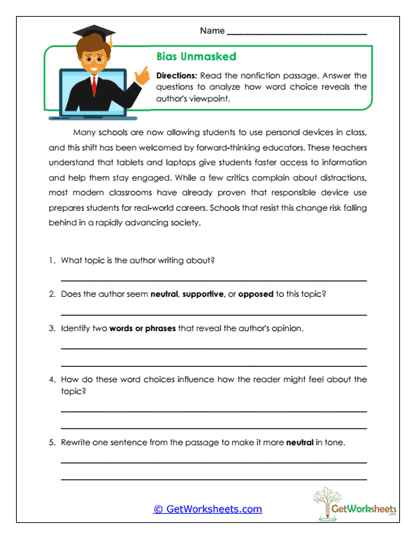
Reading Nonfiction Texts
Nonfiction reading helps children learn about the real world around them. Learners explore facts about people, animals, places, science, history, and many other topics. They also practice finding main ideas and important details without getting lost in all the information.
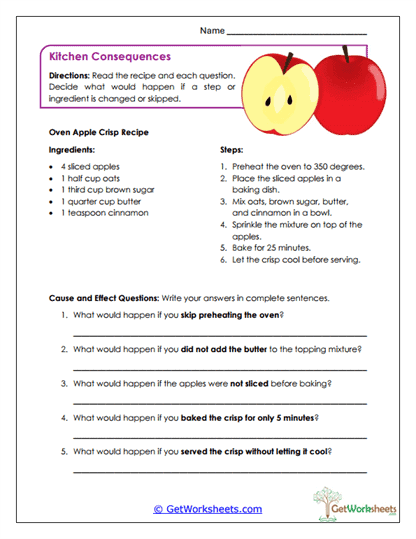
Reading Recipes
Recipes are really just directions with a delicious result at the end. Children learn to find ingredients, understand measurements, and follow each step in the right order. This makes reading practice feel useful, practical, and connected to everyday life.
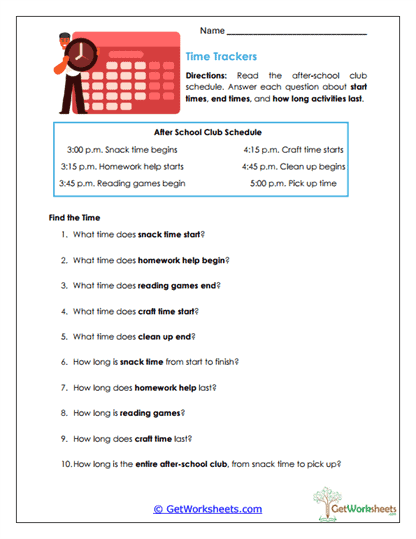
Reading Schedules
Schedules can look confusing until children learn how to break them apart. Learners practice finding times, dates, activities, and important events quickly. This builds useful reading skills while also helping with planning and time awareness.
Reading Strategies
Help students become stronger readers with engaging activities that teach important reading skills and strategies. Kids will practice comprehension, predicting, summarizing, making connections, and more while building reading confidence. These worksheets make learning how to think critically about reading both fun and effective.
Scientific Texts
Science passages often include new vocabulary, detailed explanations, and plenty of interesting facts. Children learn how to slow down, find key information, and connect ideas such as cause and effect. This helps them grow as readers while also building stronger science knowledge.
Sequencing Reading Passages
Understanding what happened first, next, and last is an important part of making sense of a text. Children practice putting events, ideas, or steps into the correct order. This helps stories and instructions feel clearer and easier to follow.
Short Answer Reading Passages
Short-answer questions give children a chance to explain what they understood in their own words. Instead of simply choosing an answer, they must return to the passage and find the details that support their response. This builds stronger comprehension and clearer written expression.
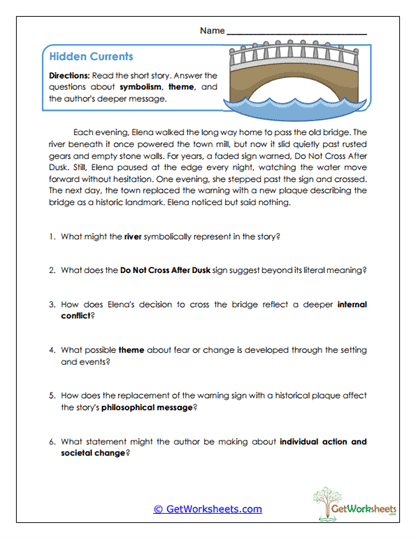
Short Stories with Questions
Students will enjoy reading fun and engaging short stories while practicing important comprehension skills. Each story includes questions that encourage kids to think carefully about what they read and improve reading understanding. Perfect for building reading fluency, comprehension, and confidence.
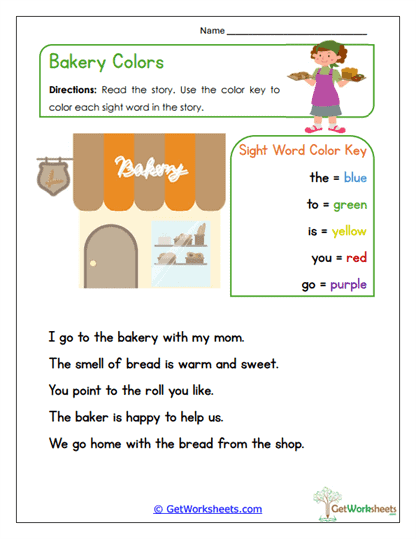
Sight Word Stories
Sight words become much easier to learn when children see them inside an actual story. These short readings repeat common words in a natural and meaningful way. With practice, children begin recognizing them quickly and reading with better flow and confidence.
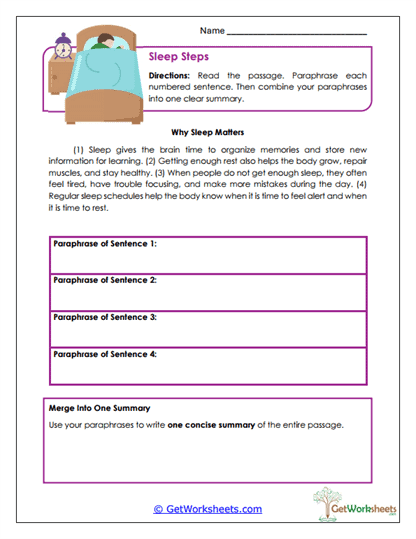
Summarizing Reading Passages
Summarizing teaches children how to tell the most important parts without repeating every little detail. Learners practice finding the main idea and deciding which information truly matters. This is a valuable skill for reading, studying, and explaining ideas clearly.
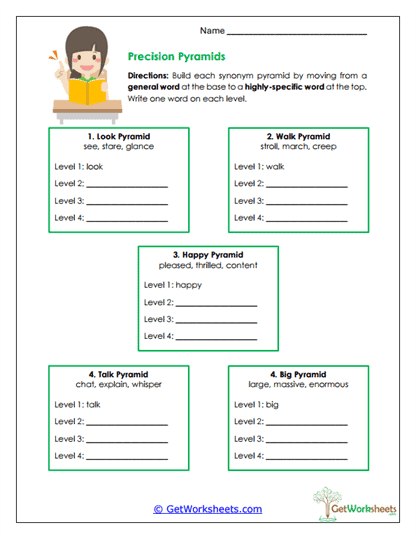
Thesaurus Skills
A thesaurus opens the door to many new and interesting word choices. Children learn how to find similar words and decide which one fits a sentence best. This grows vocabulary and helps both reading and writing become more colorful and precise.
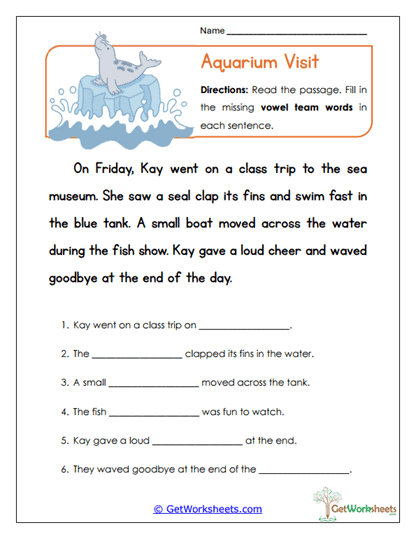
Vowel Team Reading Passages
Vowel teams such as "ai," "ee," and "oa" can be tricky at first, so seeing them in stories makes a big difference. Children practice reading these patterns inside complete sentences rather than as isolated word lists. This helps decoding become smoother, faster, and more natural.
Bookmark Us Now!
New, high-quality worksheets are added every week! Do not miss out!