Preschool Worksheets
-
Alphabet Mazes
-
Basic Shape Recognition
-
Beginning Sounds
-
-
Color Recognition
-
Coloring Inside Shapes
-
Counting Objects
-
Cut-and-Paste Number Activities
-
Fingerprint and Q-tip Painting
-
Hand and Finger Strengthening Activities
-
Letter Recognition
-
Letter Sorting
-
Line Following Activities
-
Line Tracing
-
Lowercase Letter Tracing
-
Missing Letters
-
Number Mazes
-
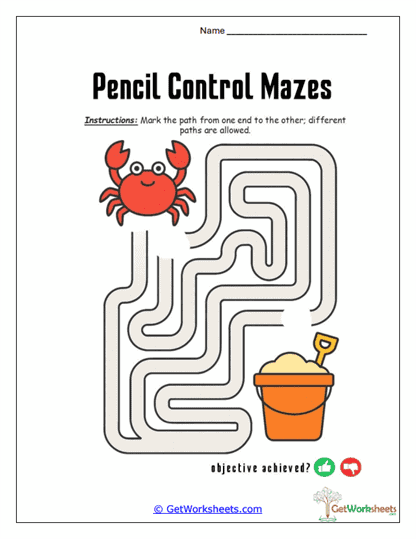
Pencil Control Mazes
-
Pencil Control Paths
-
Picture to Word Matching
-
Pre-Writing Strokes Practice
-
Scissor Cutting Practice
-
Shape Tracing
-
Sorting and Matching by Size or Shape
-
Spot the Letter
-
Sticker Placement Activities
-
Ten Frames
-
Tracing Paths
-
Tweezer or Pinch Practice
-
Uppercase and Lowercase Matching
-
Uppercase Letter Tracing
Preschool Worksheets Collection
Preschool is a time of rapid growth as young learners begin recognizing letters, understanding basic concepts, and developing the fine-motor skills needed for writing. This Preschool Worksheets collection provides playful, engaging activities that help children build early literacy, pre-writing readiness, and visual recognition skills. Each worksheet is thoughtfully designed to introduce foundational concepts in a way that feels fun, encouraging, and developmentally appropriate.
Through simple mazes, tracing paths, matching activities, and alphabet exploration, children strengthen hand-eye coordination, attention to detail, and early phonics awareness. The worksheets use clear visuals, short tasks, and hands-on opportunities to support emerging independence and early academic confidence. These activities also help caregivers and educators guide young learners through important readiness skills.
Below, you can explore focused subtopic collections that target specific preschool learning areas. Each set helps children practice essential early skills while keeping learning joyful and engaging.
Subtopic Worksheet Collection Descriptions
Alphabet Mazes
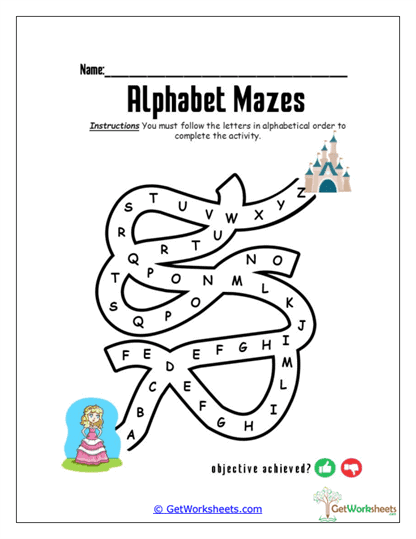
These worksheets guide children through simple mazes shaped like letters. This strengthens letter recognition and fine-motor control. It helps learners connect movement with visual learning.
Basic Shape Recognition
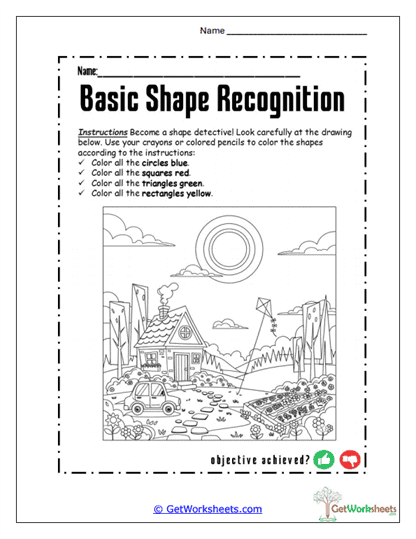
Introduce young learners to common shapes through fun and engaging activities. These worksheets help children identify, name, and match shapes in everyday objects. Hands-on practice builds early visual recognition and foundational math skills.
Beginning Sounds
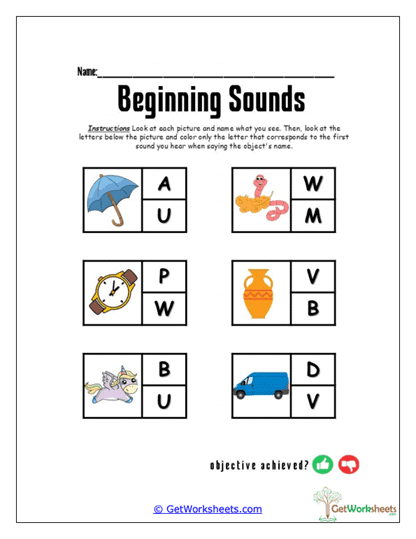
Children practice identifying the first sound in familiar words. This builds early phonemic awareness. It helps them connect spoken sounds with printed letters.
Color Recognition
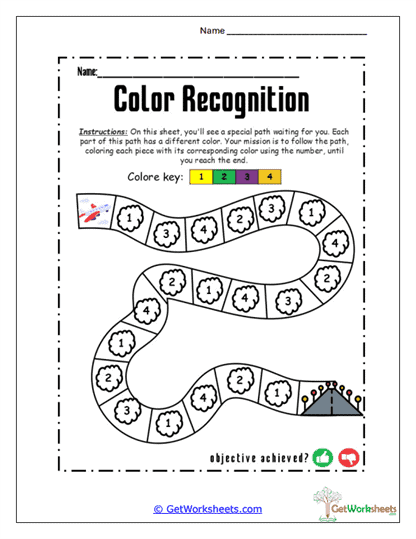
Help children learn to identify and name colors through interactive exercises. These worksheets use matching, sorting, and coloring activities to reinforce recognition skills. Bright visuals and repetition make learning both fun and effective.
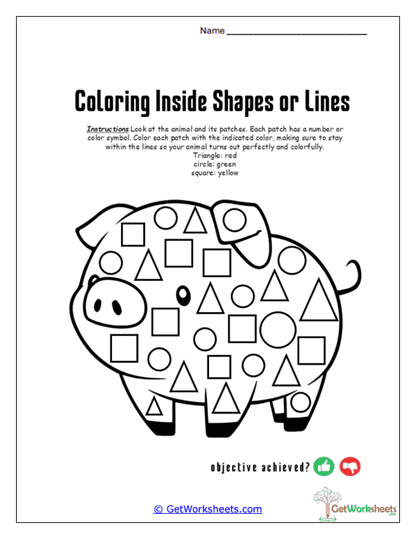
Coloring Inside Shapes
These worksheets encourage children to color neatly within simple shapes. This strengthens hand control and spatial awareness. It supports development of early pre-writing coordination.
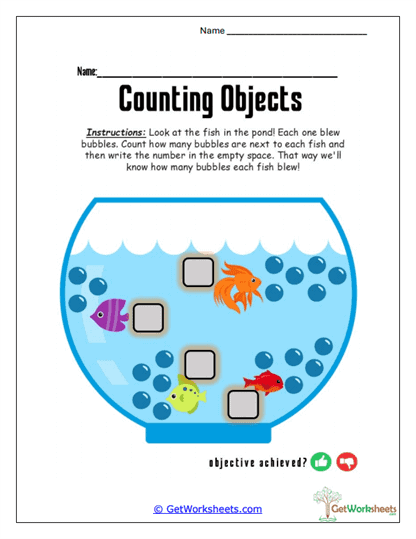
Counting Objects
Build early math skills by teaching children how to count groups of objects. These worksheets encourage one-to-one correspondence and number awareness. Students gain confidence as they connect numbers to real-world quantities.
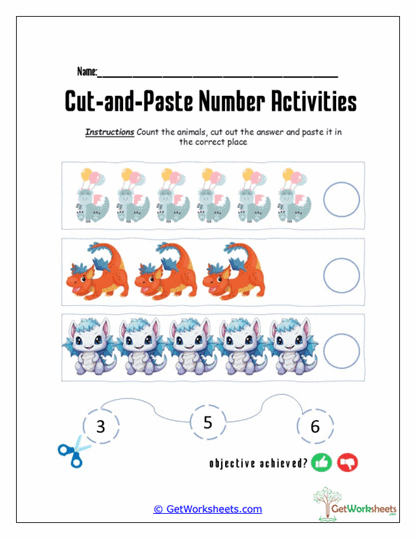
Cut-and-Paste Number Activities
Combine hands-on creativity with early number learning. These worksheets allow children to cut, sort, and paste while reinforcing number recognition and sequencing. Activities also support fine motor skill development.
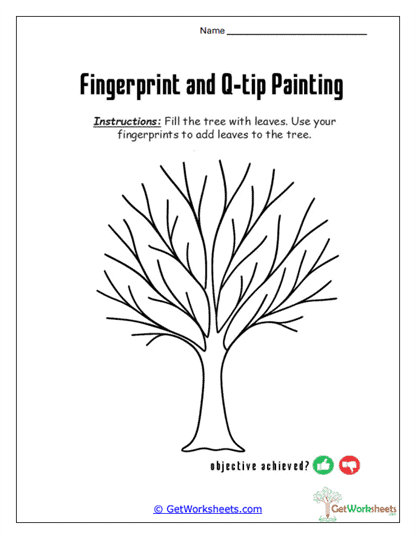
Fingerprint and Q-tip Painting
Encourage creativity while strengthening fine motor control through painting activities. These worksheets use fingerprints and Q-tips to create patterns, shapes, and designs. Students develop coordination while expressing themselves through art.
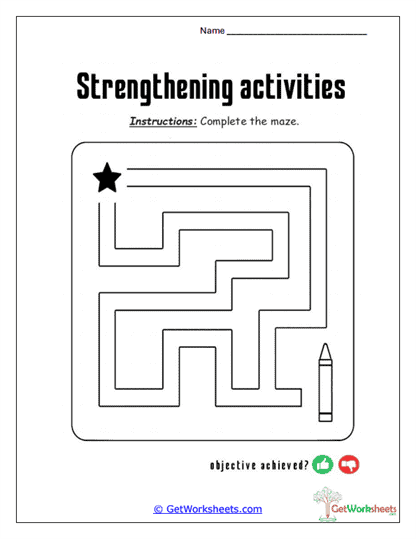
Hand and Finger Strengthening Activities
Support the development of fine motor skills needed for writing and daily tasks. These worksheets include exercises that build strength and control in small hand muscles. Engaging activities help improve coordination and readiness for more advanced skills.
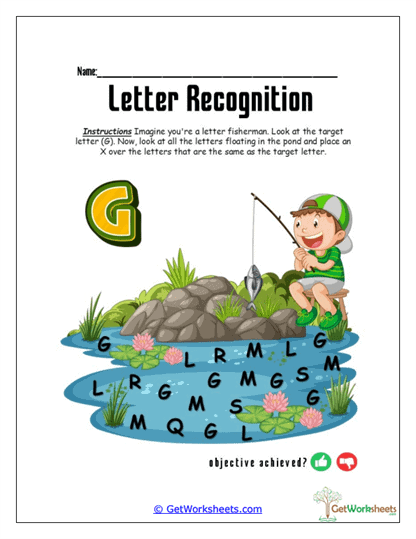
Letter Recognition
Learners identify letters through sorting, circling, or pointing activities. This builds familiarity with the alphabet. It helps children grow confident in naming and spotting letters everywhere.
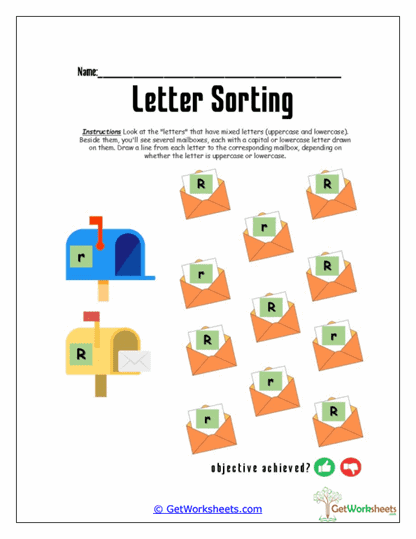
Letter Sorting
Children sort letters by type, shape, or category. This supports visual discrimination and alphabet understanding. It helps learners notice differences between similar-looking letters.
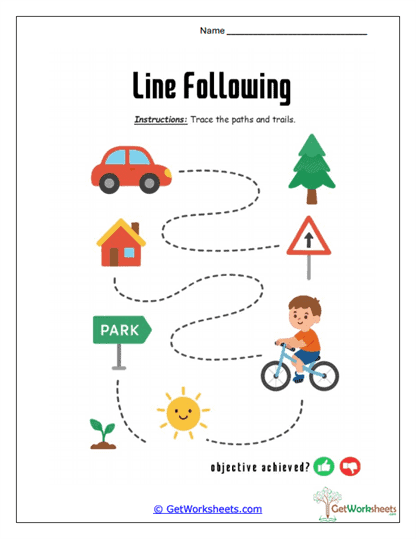
Line Following Activities
Help children practice control and direction by tracing and following lines. These worksheets build the foundational skills needed for writing and drawing. Students improve hand-eye coordination while having fun with guided paths.
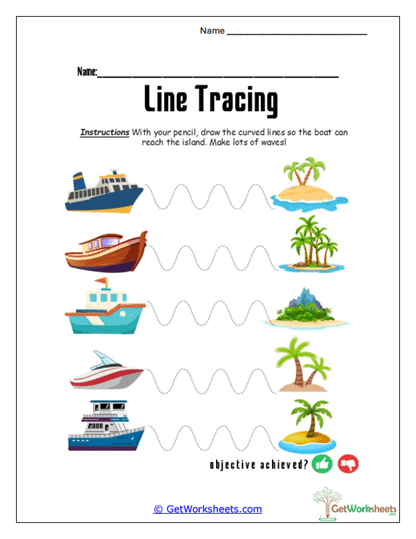
Line Tracing
These worksheets guide children along straight, curved, or zigzag lines. This builds fine-motor strength and pencil control. It prepares children for writing letters and shapes.
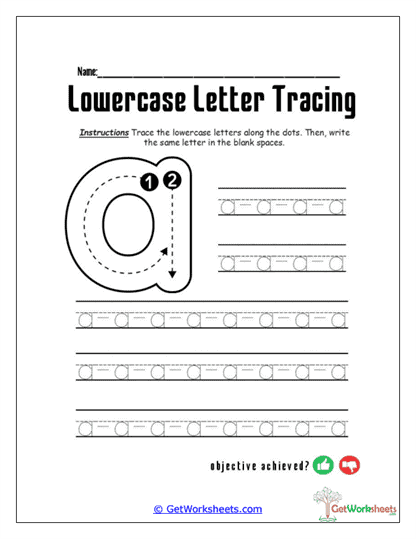
Lowercase Letter Tracing
Learners practice tracing lowercase letters with guided strokes. This builds muscle memory and letter formation. It supports readiness for writing simple words.
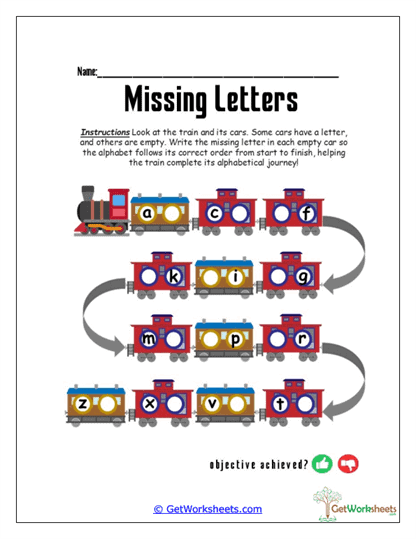
Missing Letters
Children identify which letters are missing in simple sequences. This strengthens alphabet order awareness. It helps learners understand patterns and recall letter placement.
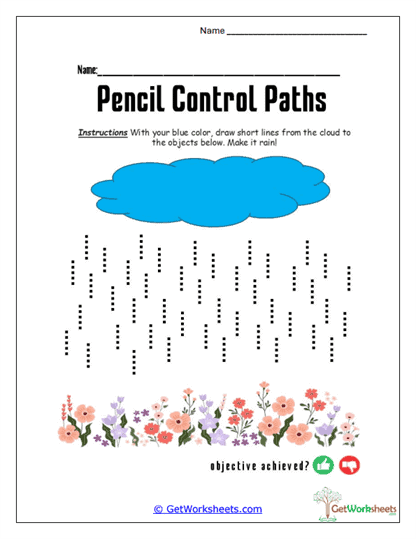
Pencil Control Paths
These worksheets offer gentle pathways for children to follow using a pencil. This builds precision and steady hand movements. It helps learners feel more confident holding writing tools.
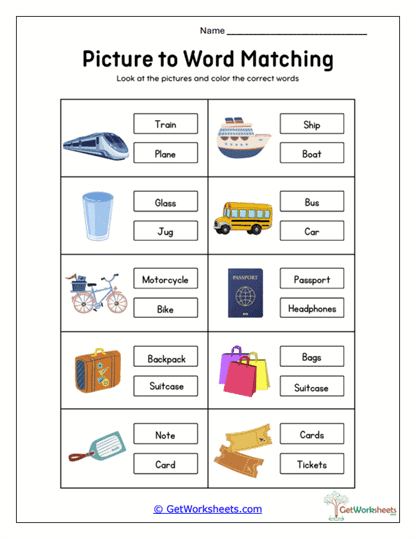
Picture to Word Matching
Children match simple pictures to their corresponding words. This strengthens early vocabulary and recognition. It helps learners connect printed words to real-world objects.
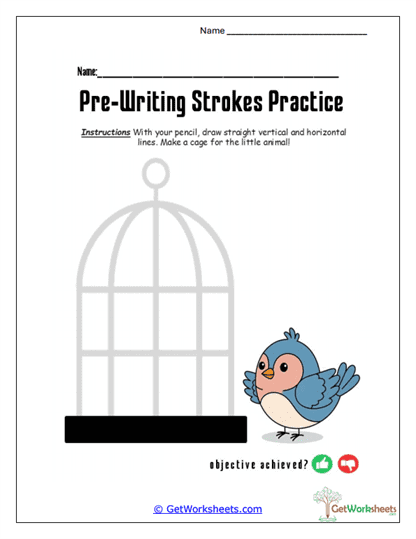
Pre-Writing Strokes Practice
These worksheets teach foundational strokes like lines, curves, and loops. This supports early handwriting development. It gives children confidence before forming letters.
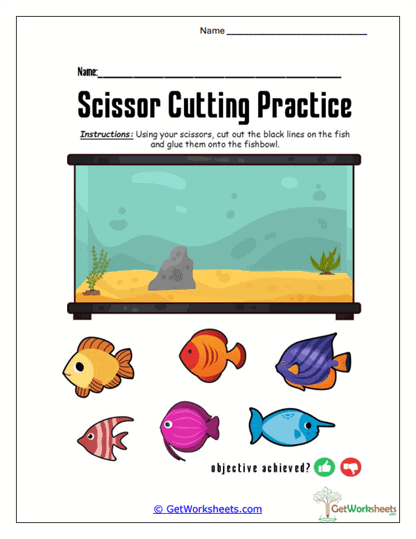
Scissor Cutting Practice
Learners follow safe cutting lines to practice using scissors. This builds coordination and bilateral hand use. It helps children gain independence in classroom tasks.
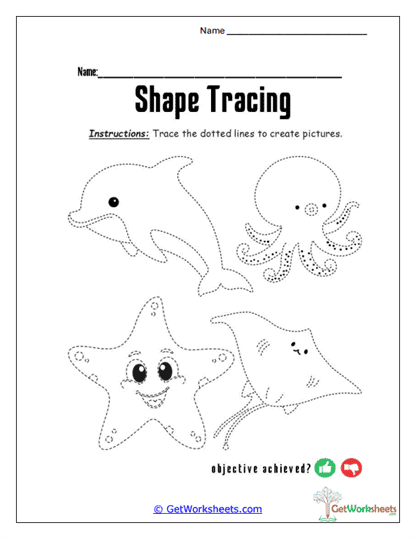
Shape Tracing
These worksheets guide children in tracing circles, squares, triangles, and other basic shapes. This builds early geometry awareness and control. It supports readiness for more detailed drawing and writing.
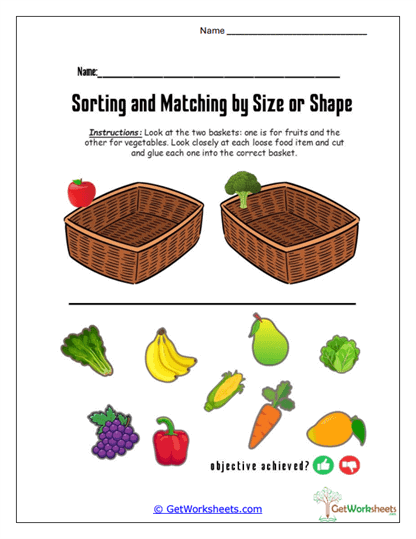
Sorting and Matching by Size or Shape
Children sort items by similarities and differences in size or shape. This strengthens early categorization skills. It helps learners develop logical thinking.
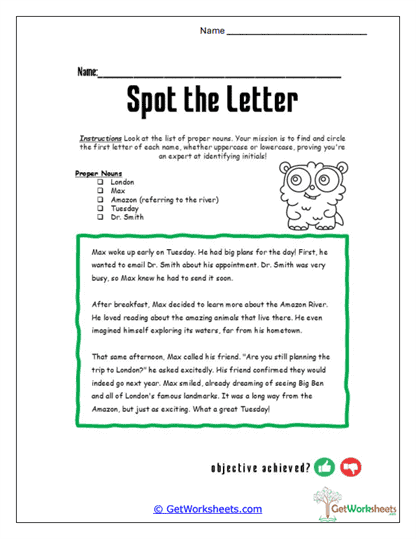
Spot the Letter
Learners search for specific letters within clusters or pictures. This builds quick recognition and focus. It reinforces familiarity with letter forms.
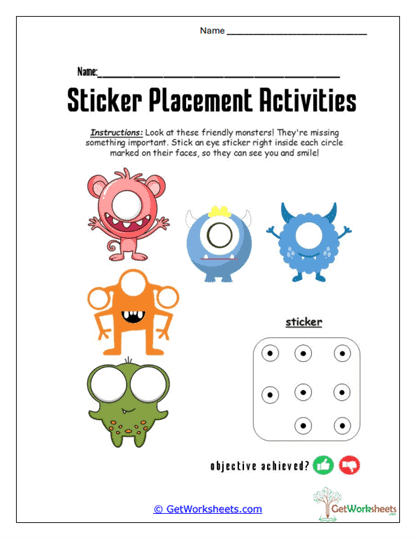
Sticker Placement Activities
These worksheets use sticker spots to guide careful placement. This builds fine-motor precision and hand-eye coordination. It helps children develop control through fun, hands-on tasks.
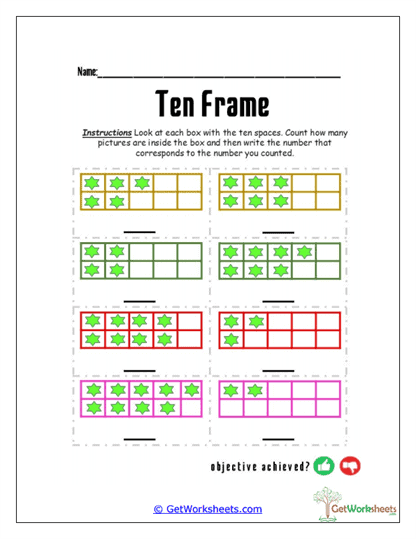
Ten Frames
Introduce early number concepts using ten frames to visualize quantities. These worksheets help children understand counting, grouping, and number relationships. Visual models make it easier to build strong math foundations.
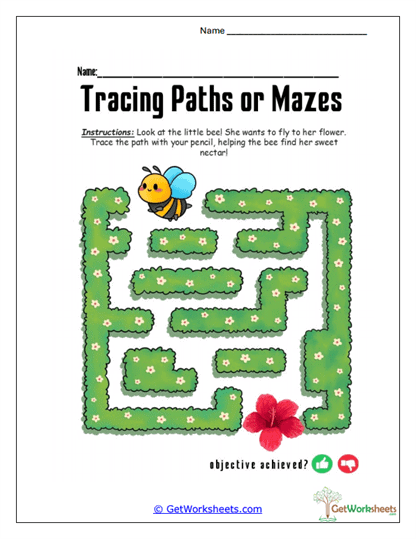
Tracing Paths
Children follow themed paths-wavy, curvy, or looped-to reach a target. This strengthens control, direction-following, and motor skills. It prepares learners for more complex tracing and writing.
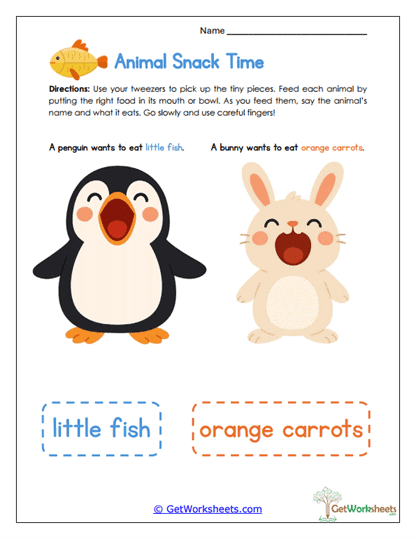
Tweezer or Pinch Practice
These activities encourage children to pick up small objects using tweezers or pinching fingers. This develops strong pincer grasp and coordination. It supports readiness for holding pencils correctly.
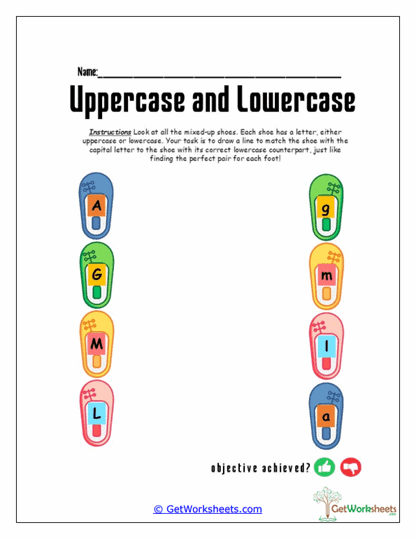
Uppercase and Lowercase Matching
Children pair uppercase letters with their lowercase partners. This builds alphabet knowledge and visual connection between forms. It helps learners move smoothly from recognition to writing.
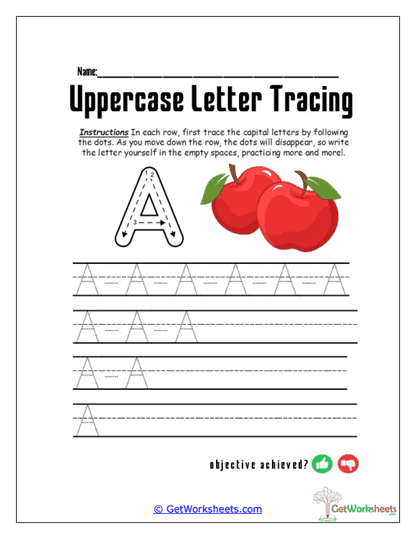
Uppercase Letter Tracing
Learners trace uppercase letters with guided line paths. This strengthens letter formation and muscle memory. It prepares children for writing names and simple words.
Bookmark Us Now!
New, high-quality worksheets are added every week! Do not miss out!