Rhyming Poems for Kids Worksheets
About This Worksheet Collection
This rhyming poems for kids worksheet collection helps young learners connect sound patterns to real reading through short, engaging poems. Each activity is designed to make rhyming feel natural by combining listening, reading, and hands-on tasks in a simple and approachable way. The use of poems adds rhythm and structure, making it easier for students to recognize patterns and stay engaged while practicing.
As students work through this collection, they strengthen their ability to hear rhymes, recognize word patterns, and connect sounds to meaning. These activities also support early fluency, comprehension, and writing skills by encouraging learners to interact with text in different ways. Over time, students build confidence as they begin to recognize patterns more quickly and apply them when reading and creating their own words.
Detailed Descriptions Of These Worksheets
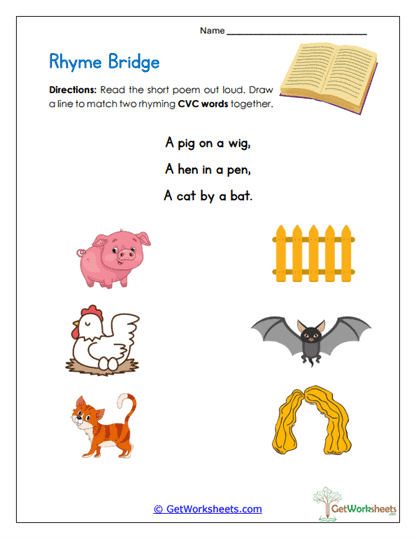
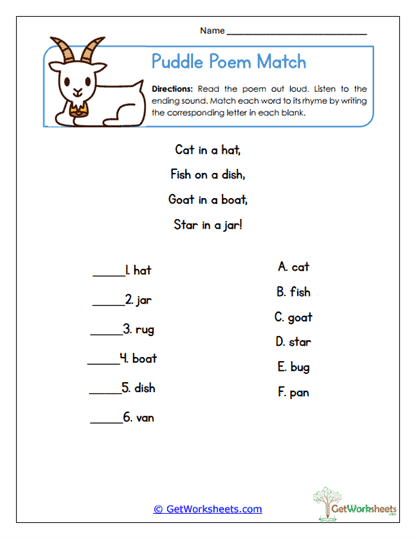
Poem Match - Connecting Rhyming Words from a Short Poem
Students read a short poem and match words that share the same ending sound. This helps them focus on how lines in a poem connect through rhyme. The activity encourages careful listening and attention to detail. It also supports early reading fluency.
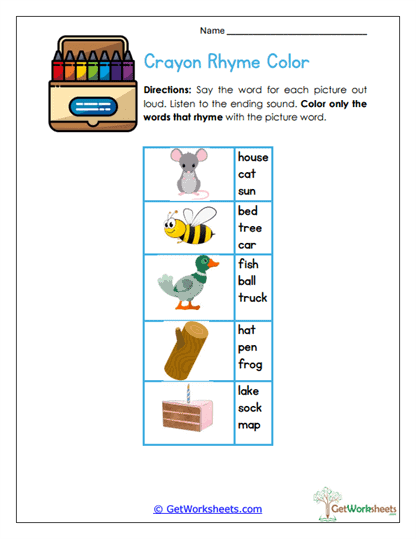
Color & Listen - Finding Rhymes from Picture Clues
Students say picture words aloud and color the ones that match the same sound. This combines visual learning with sound recognition in a fun way. It helps learners connect spoken words to meaning. The activity also keeps students engaged through hands-on practice.
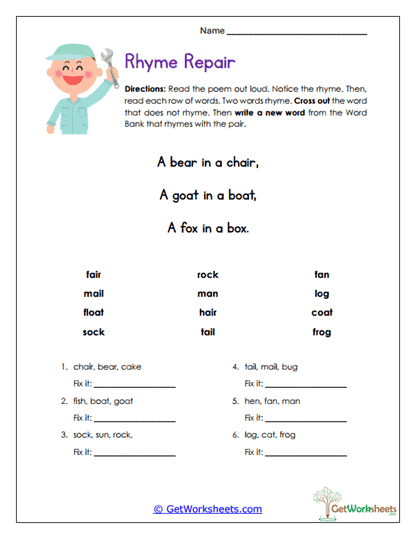
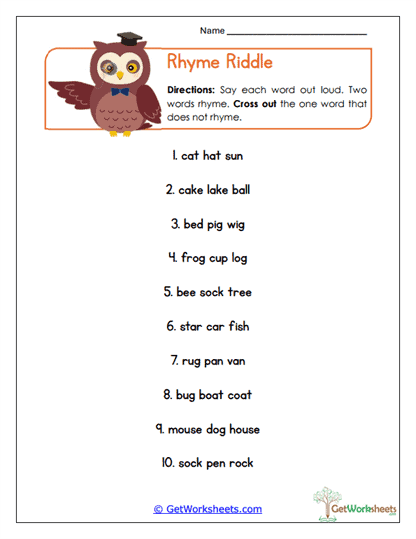
Rhyme Riddle - Finding the Word That Doesn't Belong
Students look at a group of words and identify the one that does not rhyme. This encourages deeper comparison and careful listening. It helps learners recognize sound patterns more clearly. The activity also builds stronger thinking skills.
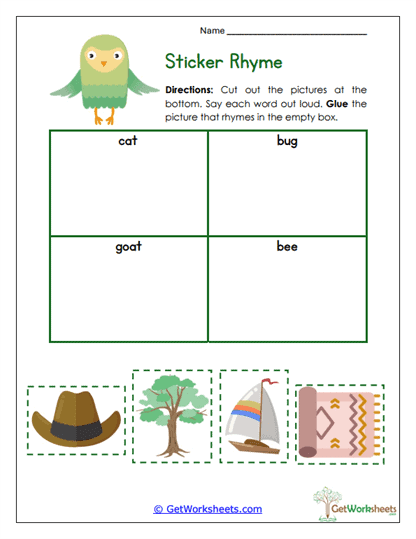
Cut & Match - Pairing Pictures with Rhyming Sounds
Students cut out pictures and match them based on shared ending sounds. This hands-on activity supports both phonics learning and fine motor development. It helps reinforce connections between sounds and images. The task also keeps learners actively engaged.
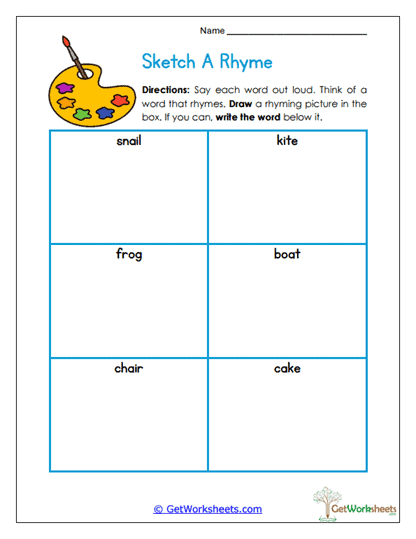
Draw & Think - Creating Pictures That Match the Rhyme
Students think of a rhyming word and draw a picture to represent it. This encourages independent thinking and creativity. It helps learners apply their understanding of sound patterns. The activity also strengthens connections between words and meaning.
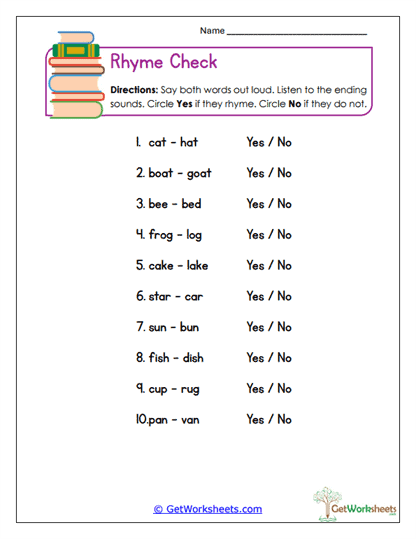
Yes or No Check - Deciding If the Words Rhyme
Students read pairs of words and decide if they rhyme. This simple format builds strong listening and comparison skills. It helps learners become more accurate with sound recognition. The activity also supports confidence through clear choices.
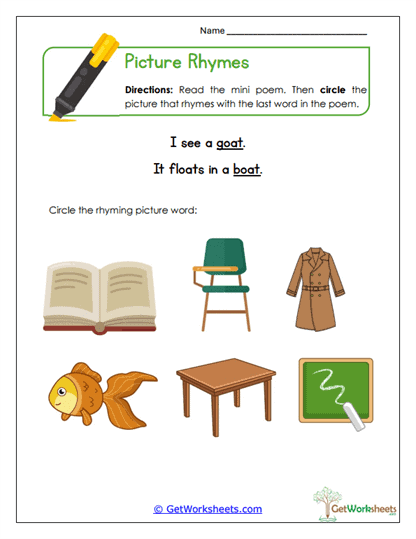
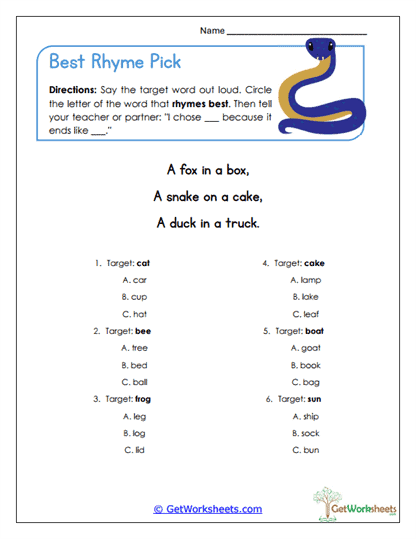
Picture Pick - Choosing the Image That Matches the Rhyme
Students read a short line and choose the picture that matches the rhyming word. This helps connect reading with visual understanding. It encourages careful thinking about both sound and meaning. The activity also supports early comprehension skills.
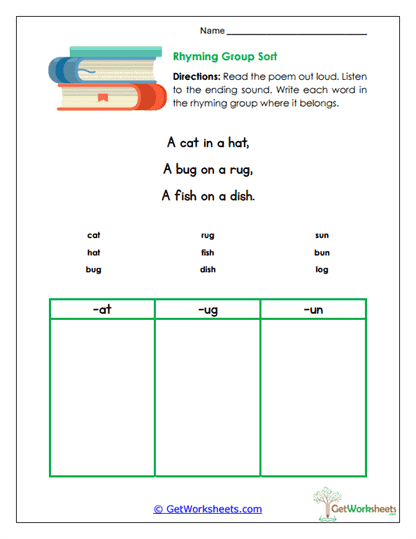
Group & Sort - Placing Words into the Right Sound Family
Students sort words into groups based on shared ending sounds. This helps them organize patterns and understand how words are connected. The activity builds both reading and spelling awareness. It also encourages structured thinking.
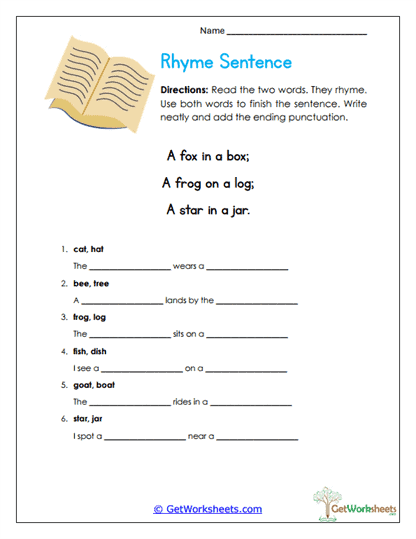
Complete the Poem - Finishing Lines with the Right Rhyme
Students read a poem and fill in missing words that complete the rhyme. This requires them to think about both sound and meaning. It supports reading fluency and comprehension. The activity also builds confidence with word patterns.
Poem Builder - Creating New Lines with Rhyming Words
Students create their own lines by following a rhyming pattern from a poem. This encourages creativity and deeper understanding of structure. It helps learners apply what they know about sound patterns. Over time, it strengthens both reading and writing skills.
Bookmark Us Now!
New, high-quality worksheets are added every week! Do not miss out!