Reading Worksheets
-
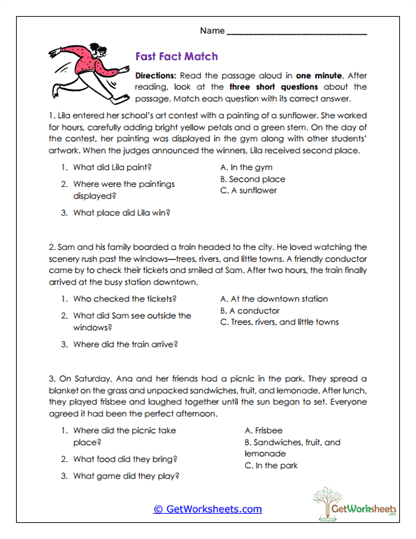
1-Minute Reading Passages
-
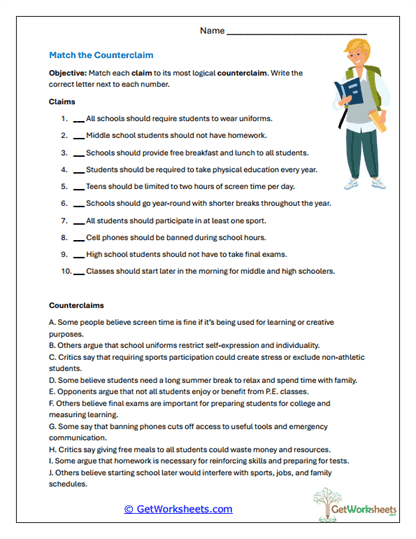
Arguments and Claims
-
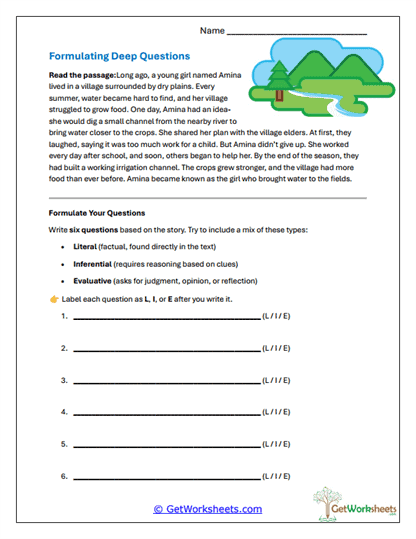
Asking and Answering Questions
-
-
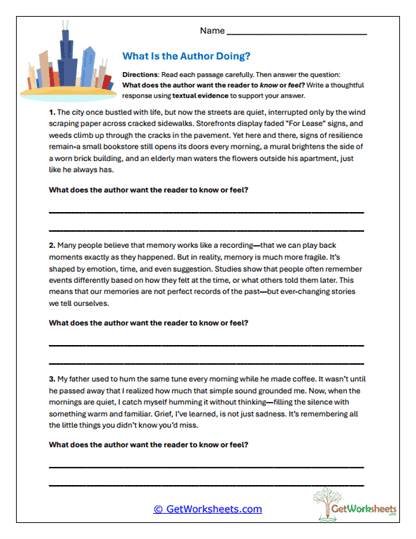
Author's Purpose
-
Cause and Effect
-
Central Ideas of Text
-
Central Themes
-
Character Analysis
-
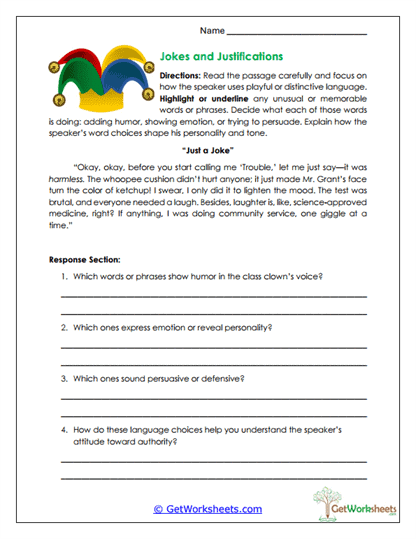
Character Voice Practice
-
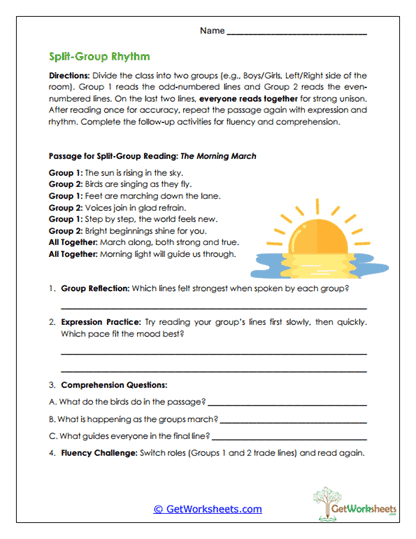
Choral Reading
-
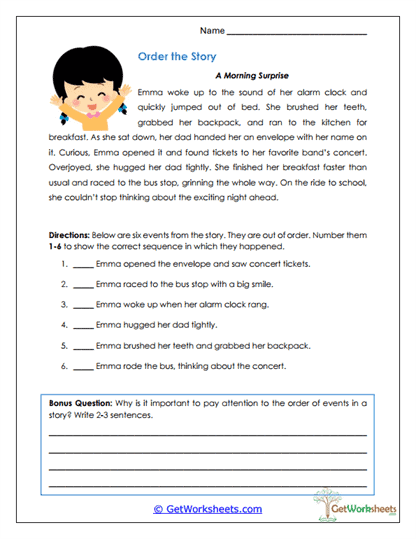
Chronological Order
-
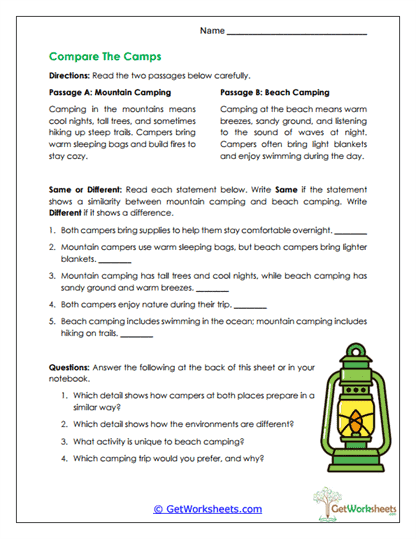
Compare and Contrast
-
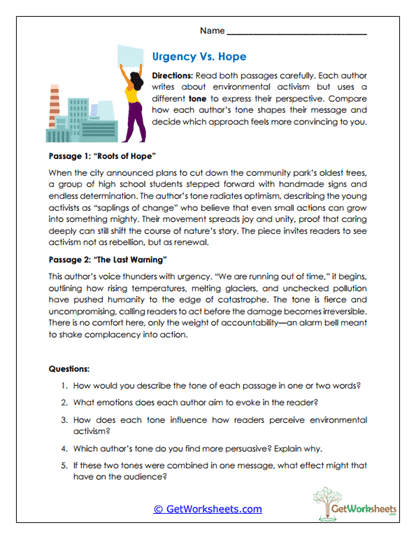
Comparing Multiple Texts
-
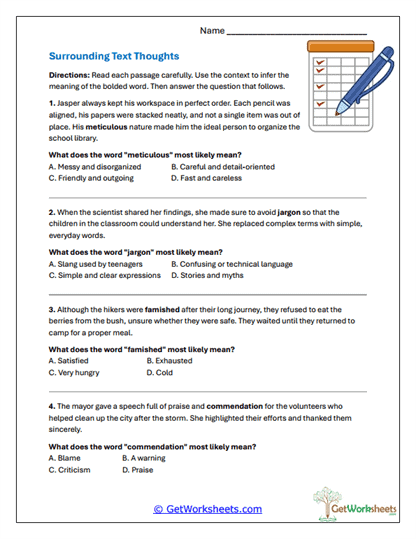
Context Clues
-
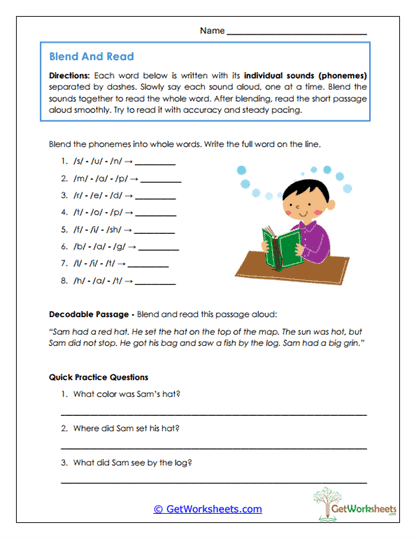
Decodable Text Fluency
-
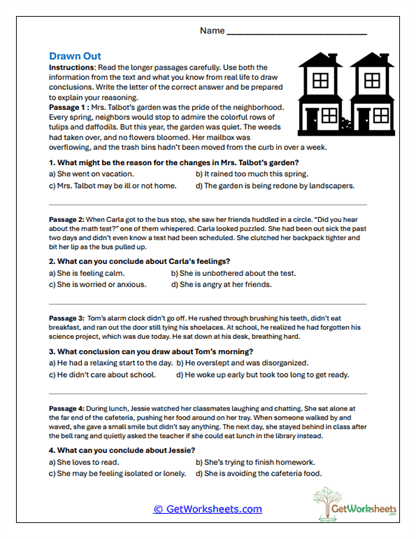
Drawing Conclusions
-
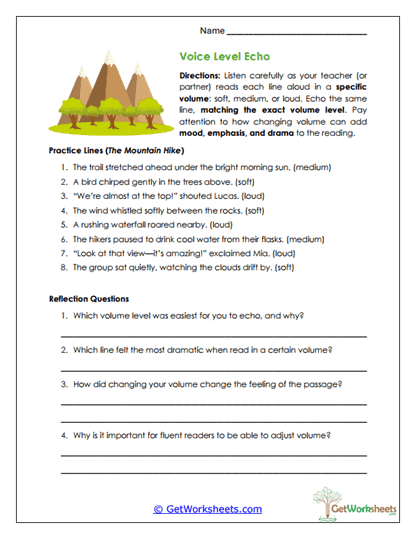
Echo Reading
-
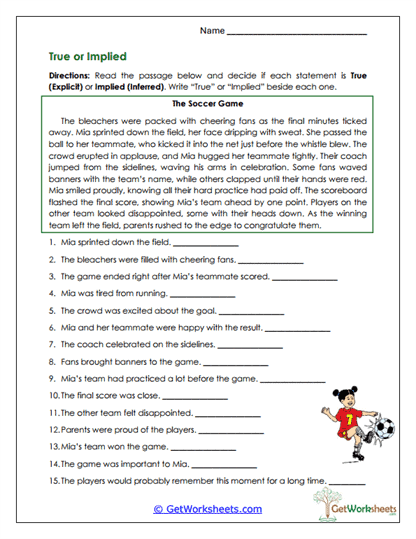
Explicit vs. Implied Details
-
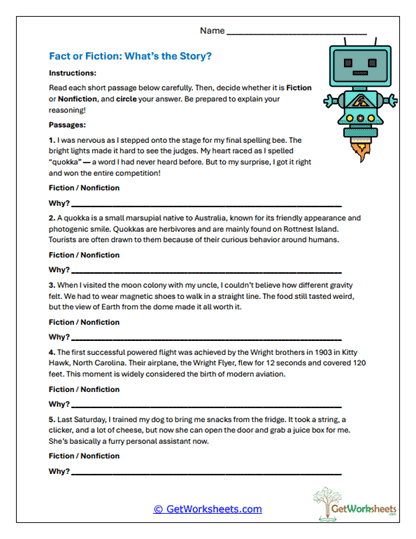
Fact vs Fiction
-
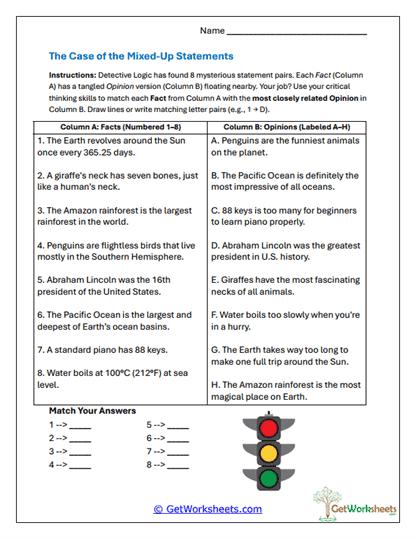
Fact vs. Opinion
-
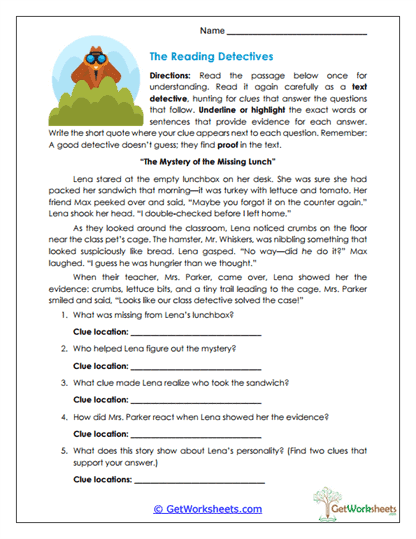
Finding Evidence
-
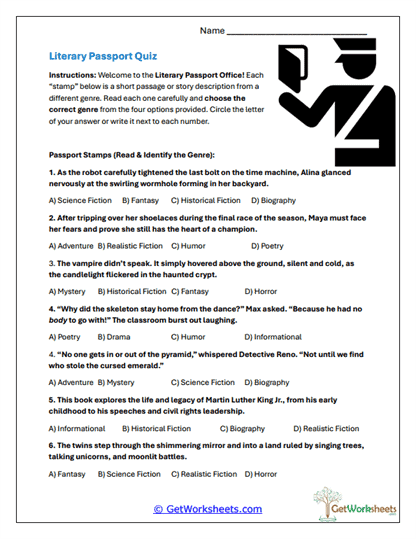
Genres of Literature
-
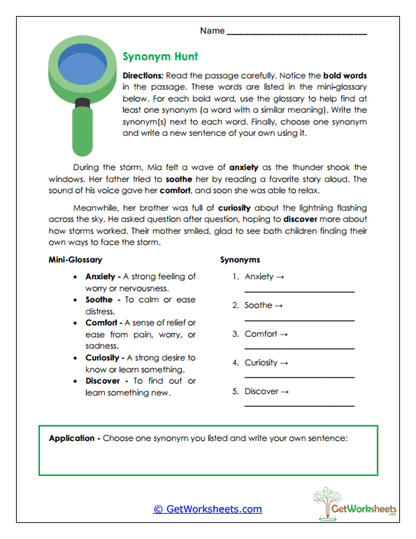
Glossary & Dictionary Skills
-
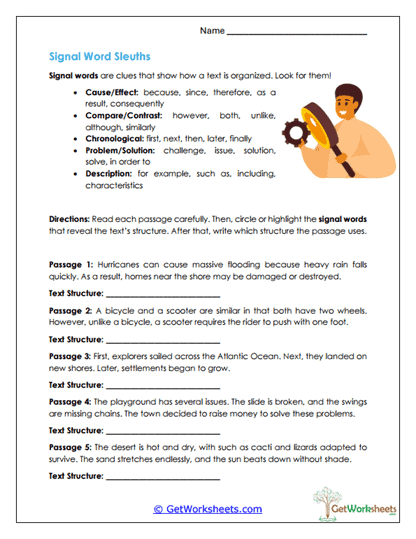
Identifying Text Structures
-
Listen and Read Along
-
Main Idea & Supporting Details
-
Making Inferences
-
Making Predictions
-
Matching Text to Structure Type
-
Paraphrasing
-
Point of View
-
Prediction
-
Problem and Solution
-
Reading Short Stories
-
Script Reading
-
Sequencing Events
Reading Worksheets Collection
Reading is more than decoding-it's thinking, questioning, analyzing, and connecting ideas. This Reading Worksheets collection helps learners develop the essential comprehension strategies that allow them to understand texts deeply and respond thoughtfully. Through structured reading tasks, students practice identifying important information, noticing how ideas fit together, and making meaning from both explicit and implicit details.
Each worksheet offers focused practice with passages, questions, graphic organizers, and thinking routines that help students engage actively with texts. Learners strengthen skills such as recognizing themes, analyzing characters, finding supporting evidence, and interpreting an author's choices. The activities also build confidence with complex reading behaviors like making predictions, evaluating claims, and determining the structure of a passage.
Below are the subtopic collections, each targeting a core reading skill. These sets allow educators and families to provide intentional, skill-specific practice that supports comprehension growth across fiction, nonfiction, and academic texts.
Subtopic Worksheet Collection Descriptions
Arguments and Claims
These worksheets teach learners to identify a writer's main point and the evidence used to support it. This builds critical reading and reasoning skills. It helps students evaluate arguments with clarity and confidence.
Asking and Answering Questions
Learners practice generating and responding to questions about a text. This strengthens comprehension monitoring and curiosity. It helps students stay engaged and think actively while reading.
Author's Purpose
These worksheets help students determine why an author wrote a text-whether to inform, entertain, persuade, or explain. This deepens understanding of tone and intent. It helps learners interpret messages more accurately.
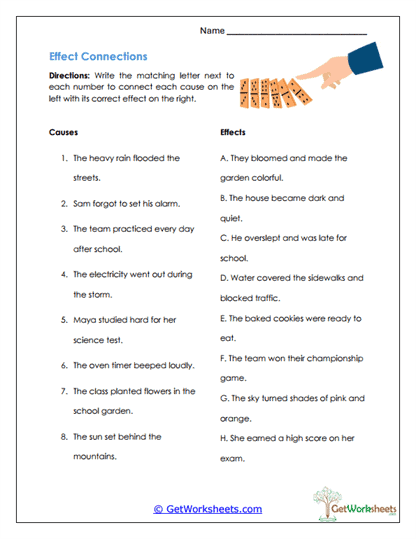
Cause and Effect
Students identify what happens in a text and why it happens. This builds logical thinking and comprehension of relationships. It helps learners understand how events and ideas influence one another.
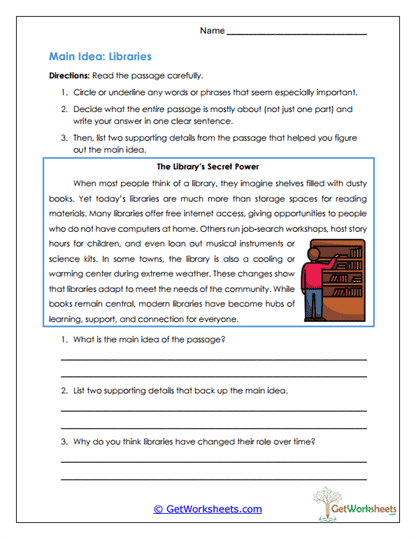
Central Ideas of Text
These worksheets guide students in identifying the big, important ideas in nonfiction reading. This strengthens summarizing and comprehension of informational texts. It helps learners focus on what matters most.
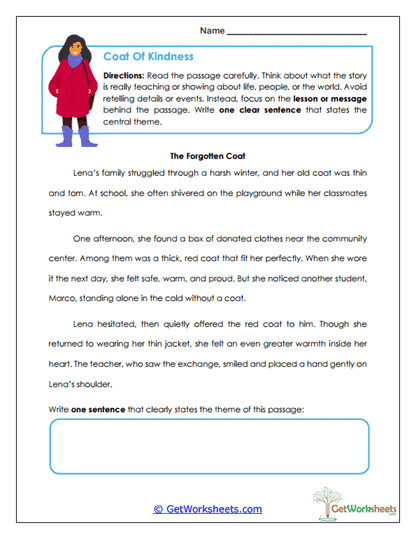
Central Themes
Learners identify the deeper messages or lessons within stories. This builds literary analysis skills. It helps students connect narrative events to broader human experiences.
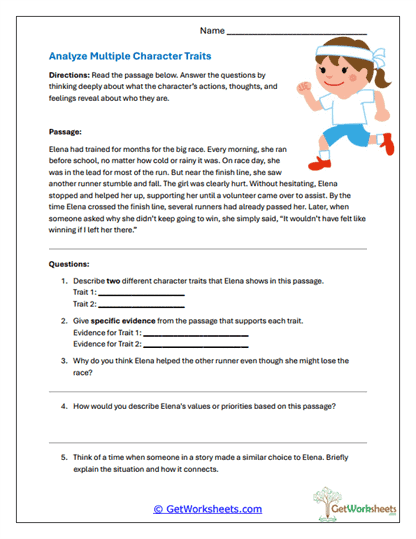
Character Analysis
These worksheets help students examine characters' traits, motivations, and changes. This strengthens understanding of plot and relationships. It helps learners connect more deeply with the stories they read.
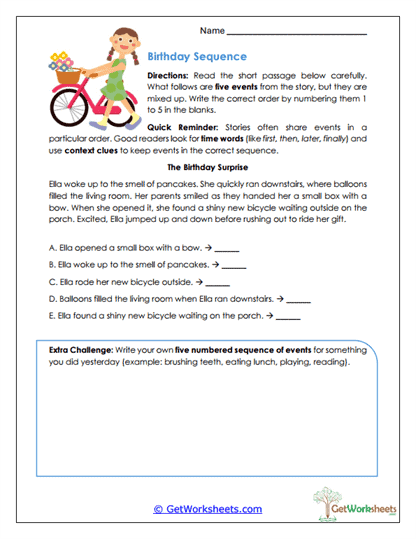
Chronological Order
Students practice recognizing events in the order they happen. This builds sequencing and text-structure awareness. It helps learners follow and retell narratives clearly.
Compare and Contrast
Learners analyze similarities and differences across characters, events, or ideas. This strengthens critical thinking and organizational skills. It helps students build deeper connections between texts.
Context Clues
These worksheets teach students how to infer word meaning from surrounding text. This improves vocabulary understanding and reading independence. It helps learners decode unfamiliar words with confidence.
Drawing Conclusions
Students combine text clues with their own reasoning to form conclusions. This builds inferential thinking. It helps learners understand information not directly stated.
Explicit vs. Implied Details
These worksheets help learners distinguish between what the text says and what it suggests. This strengthens analytical reading. It helps students identify deeper layers of meaning.
Fact vs Fiction
Learners determine whether information comes from real events or imagined scenarios. This builds understanding of genre and accuracy. It helps students read more critically.
Fact vs. Opinion
These worksheets teach students to separate factual information from personal belief. This builds media literacy and logical evaluation. It helps learners read arguments more responsibly.
Genres of Literature
Students explore different genres and their defining features. This strengthens understanding of text types and expectations. It helps learners approach new reading with the right strategies.
Identifying Text Structures
Learners recognize structures like cause/effect, compare/contrast, and problem/solution. This builds comprehension of how ideas are organized. It helps students read efficiently and construct better responses.
Main Idea & Supporting Details
These worksheets teach students how to pinpoint a text's core message and the details that explain it. This supports summarizing and targeted comprehension. It helps learners focus on key information rather than distractions.
Making Inferences
Students practice reading between the lines using clues and prior knowledge. This strengthens deep comprehension and critical thinking. It helps learners understand subtle or unstated information.
Making Predictions
Learners use text clues to anticipate what will happen next. This builds engagement and forward-thinking comprehension. It helps students read more actively and purposefully.
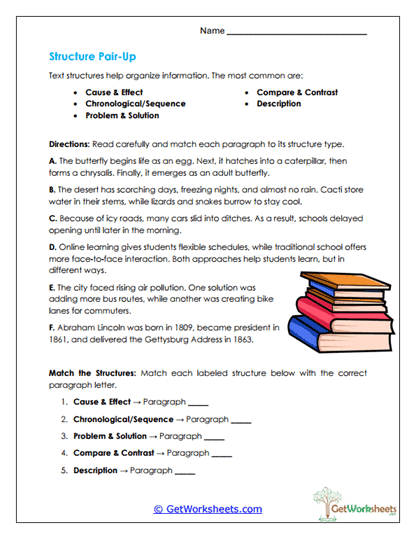
Matching Text to Structure Type
These worksheets help learners connect passages to the correct organizational pattern. This reinforces awareness of text structures. It helps students navigate nonfiction more effectively.
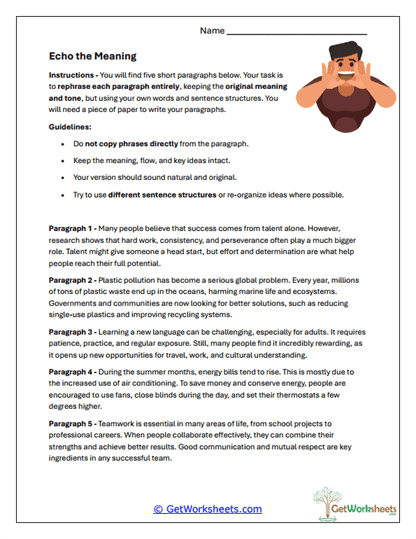
Paraphrasing
Students restate text in their own words while keeping the meaning intact. This builds accuracy, clarity, and comprehension. It helps learners process information meaningfully rather than memorizing it.
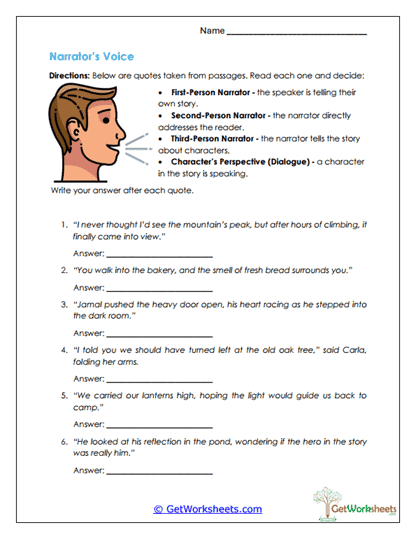
Point of View
Learners identify the narrator's perspective and how it shapes the story. This strengthens literary interpretation. It helps students understand how viewpoint influences meaning.
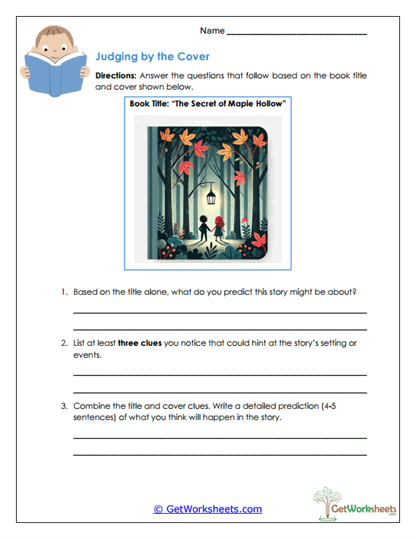
Prediction
These worksheets guide learners in forming thoughtful predictions based on evidence. This encourages attention to detail and logical thinking. It helps students stay engaged with the reading process.
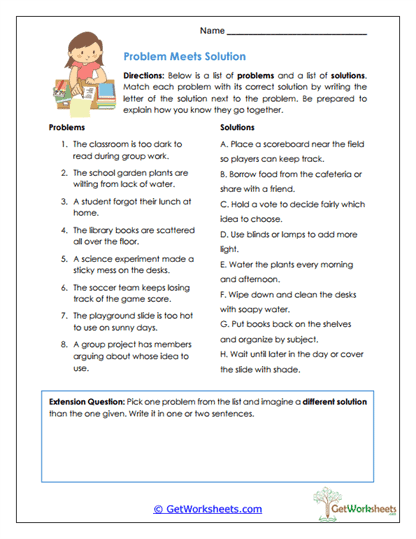
Problem and Solution
Students identify problems presented in a text and the solutions provided or implied. This supports reading comprehension and structural awareness. It helps learners organize ideas when retelling or analyzing a passage.
Bookmark Us Now!
New, high-quality worksheets are added every week! Do not miss out!